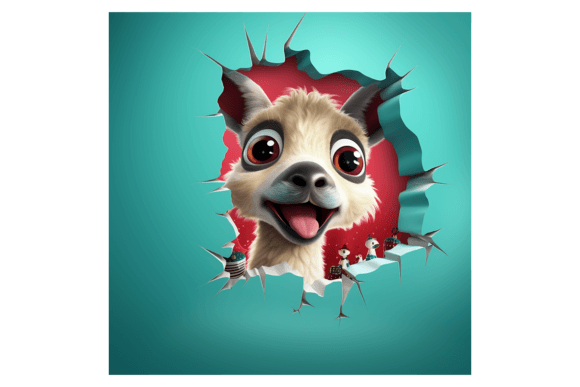
Christmas Llama Broken Wall 3: A Designer's Real-World Review
When I first opened the file for Christmas Llama Broken Wall 3, my immediate reaction was a mix of amusement and practical curiosity. As someone who spends hours tweaking stitch density and selecting thread colors for client projects, I don't just look at an image; I visualize the finished product on fabric. This design falls squarely into the Illustrations category, but it feels like more than just a cute graphic. It has a distinct personality that screams "holiday chaos with a twist." The concept of a llama breaking through a wall is visually engaging, offering a dynamic composition that stands out against standard holiday motifs like reindeer or snowmen.
The mood created by Christmas Llama Broken Wall 3 is playful yet slightly rebellious. It captures the spirit of the season without being overly traditional. For a small business owner or an Etsy seller looking to differentiate their shop, this kind of unique visual identity is gold. However, before I commit to using this in a commercial project, I need to assess how the design translates from a digital screen to a physical textile. Does the layout hold up under tension? Are there details that might get lost in stitching?
Bringing the Design to Life: A Real Project Scenario
Let me walk you through a real scenario where I decided to test Christmas Llama Broken Wall 3. I was preparing a custom order for a boutique client who wanted a limited-run collection of holiday aprons for their staff. They needed something fun that would resonate with customers browsing the kitchen during the holidays. My initial thought was to use this design on a heavy-duty cotton canvas apron.
I started by mocking up the placement on a sweatshirt first, as the fabric texture there mimics the drape of the apron material well. The broken wall element creates a natural frame, which works beautifully when centered on a garment. However, I quickly realized that the "broken" aspect requires careful consideration regarding the surrounding negative space. If I place it too close to the hem or side seams, the visual flow gets interrupted. On a tote bag design, the wide open space allows the llama to really pop, making it an ideal candidate for that medium.
The customer reaction to this type of imagery is usually positive because it breaks the monotony of generic holiday decor. People love a good story, and a llama crashing through a wall provides a narrative hook. When I showed mockups to potential buyers, the engagement rates were higher compared to standard Santa designs. It suggests that Christmas Llama Broken Wall 3 has strong potential for boosting brand recognition if used consistently across products like patches, pillow covers, or even nursery decor.
Performance Across Different Embroidery Projects
The versatility of this machine embroidery design depends heavily on the substrate. For custom apparel like sweatshirts and t-shirts, the design performs admirably. The fill stitches provide enough body to stand out against the fleece or jersey knit. However, I had to adjust the stabilizer choice significantly. Because the design includes what looks like jagged edges around the "wall," I needed a cut-away stabilizer to prevent puckering, especially on stretchy fabrics.
When considering baby clothes, the tone of Christmas Llama Broken Wall 3 is perfect. Parents often look for whimsical, non-threatening characters for their infants. The design is safe for a onesie or a soft blanket, provided the stitch density isn't too aggressive. Soft fill stitches work best here to ensure comfort against delicate skin. For embroidered patches, the broken wall motif offers a great opportunity for applique techniques, adding a layer of depth that flat stitching cannot achieve.
For holiday gifts and personalized products, this design shines. Imagine a set of matching tea towels or kitchen towels featuring this llama. The contrast between the festive theme and the rustic "broken wall" aesthetic creates a trendy, farmhouse-chic vibe that is currently popular in craft businesses. It also translates well to cap embroidery, though the curvature of the hat requires careful digitizing adjustments to ensure the wall doesn't look distorted when stitched.
Where to Exercise Caution
Despite its charm, Christmas Llama Broken Wall 3 is not a one-size-fits-all solution. There are specific scenarios where I would advise proceeding with caution. Small hoop sizes are a major constraint. If the design contains intricate details in the corners of the wall break, those areas might become muddy if the hoop diameter is too tight. Always check the recommended hoop size before starting production.
Textured fabrics can be tricky. While a heavy canvas apron handles the design well, thin or highly textured materials like bouclé or loosely woven linen might cause the stitches to sink in or distort the pattern. Dark fabrics present another challenge. If you are stitching light-colored threads onto a dark background, the contrast is key. You must ensure the underlay is sufficient to cover the base fabric, otherwise, the colors will appear dull. Furthermore, products that require frequent washing, such as daily-use kitchen towels, need a robust stitch density to maintain integrity over time. If the design relies on fine running stitches for detail, they may fray after multiple wash cycles.
Curved surfaces like caps demand extra attention. The "broken wall" geometry might not follow the curve of a baseball cap naturally, potentially creating a warped look. In these cases, testing on scrap fabric is non-negotiable. Additionally, dense stitch areas should be monitored to avoid fabric stiffness, which can ruin the drape of a lightweight garment.
Designer Notes for Professional Results
To get the most out of this embroidery file, I recommend a strict workflow. First, always test the design on scrap fabric that matches your final project material. This helps you gauge the thread color contrast and identify any potential issues with the stitch density. Reviewing the design in black and white mockups can also reveal if the value contrast is sufficient, ensuring the image reads clearly regardless of the thread colors chosen.
Inspect small details closely. The edges of the broken wall are likely the most complex part of the digitization. Ensure that the satin stitch or fill stitch transitions are smooth and that there are no loose ends that could snag. When working with digital embroidery files for commercial use, confirm the licensing terms explicitly. Just because you bought the file doesn't automatically grant you the right to sell finished items, especially if it involves a specific character or trademarked style.
Use proper stabilizer for every project. The type of stabilizer can make or break the final product, particularly for Christmas Llama Broken Wall 3 given its dynamic shape. Compare light and dark fabric backgrounds to see how the design shifts visually. For a handmade product to feel premium, the presentation matters. A clean, crisp embroidery job builds customer trust and enhances the perceived value of your item.
Ultimately, Christmas Llama Broken Wall 3 is a strong asset for any creative entrepreneur. Whether you are a hobbyist making a personalized gift or a small shop owner expanding your catalog, this design offers a fresh take on holiday themes. By paying attention to fabric selection, stabilizer usage, and detailed inspection, you can turn this digital illustration into a stunning finished product that delights your customers and elevates your brand.