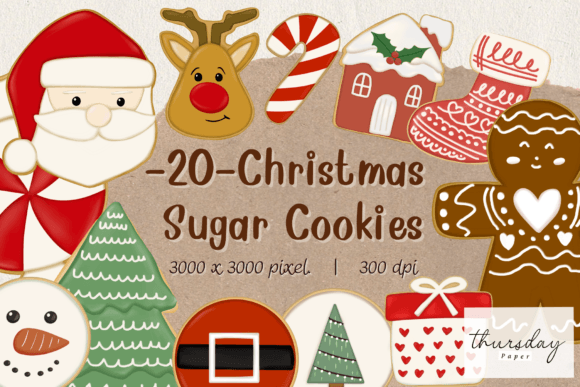
Christmas Sugar Cookies Clipart for Modern Illustrations
When I first opened the folder containing Christmas Sugar Cookies Clipart, my immediate reaction was one of warmth and nostalgia. As a digital publisher who has spent years curating visual assets for high-traffic blogs, I know that the first impression is often the difference between a reader scrolling past and clicking through to read. This graphic design asset does not just look like a simple image; it establishes an editorial mood that feels both festive and inviting. It creates a sense of comfort that is essential for seasonal content marketing, instantly signaling to the audience that the content within is safe, sweet, and perfectly timed for the holidays.
The style of these illustrations leans heavily into a playful yet polished aesthetic. They are not overly chaotic or cartoonish, which makes them incredibly versatile for various niches. Whether you are running a lifestyle blog, a family-oriented website, or a small business focused on holiday crafts, this asset supports a narrative that is modern design meets traditional charm. The visual hierarchy created by the soft textures and clear shapes allows the eye to rest while still drawing attention to key elements. For a content creator looking to elevate their brand identity, this set offers the kind of professional finish that separates amateur projects from authoritative digital publications.
Elevating Your Editorial Workflow with Seasonal Assets
In my experience managing multiple content platforms, the workflow for preparing featured images and social media graphics can be overwhelming during peak seasons. Using Christmas Sugar Cookies Clipart streamlines this process significantly. Imagine a blogger preparing a series of articles about holiday baking recipes. Instead of spending hours taking photos of actual cookies, which can be inconsistent in lighting and composition, they can utilize these clean, high-quality illustrations. This ensures that every article header looks cohesive, maintaining a consistent visual identity across the entire site.
This graphic design asset is particularly effective for creating Pinterest pins. Since Pinterest is a visual search engine, the quality and clarity of the image determine the click-through potential. These illustrations have enough detail to stand out in a crowded feed but remain simple enough to allow text overlays to pop. When designing a pin for a "Top 10 Holiday Treats" listicle, placing these cookies alongside bold typography creates a strong call to action. The asset works equally well as a category thumbnail, helping readers quickly identify sections dedicated to food, crafts, or family activities on your homepage.
Beyond standard blog posts, these illustrations are perfect for digital products. If you are an online educator or a creative entrepreneur releasing a downloadable guide, using this clip art on the eBook cover adds immediate value. It signals to the buyer that the content inside is curated and thoughtful. Similarly, for newsletter creators, a banner featuring these cookies can increase open rates by evoking a sense of holiday cheer right from the inbox. It transforms a standard email into a branded experience that readers look forward to receiving.
Strategic Placement for Maximum Engagement
To get the most out of Christmas Sugar Cookies Clipart, strategic placement is key. In a web design context, hero images are prime real estate. A large, high-resolution version of these cookies at the top of a landing page can capture attention immediately. However, it is crucial to balance the visual weight. If the background is too busy, the illustration might get lost. Conversely, if the layout is too sparse, the image might feel disconnected. The goal is to create a harmonious blend where the design asset supports the message rather than overpowering it.
For affiliate marketers, these visuals are invaluable when promoting holiday gifts or kitchenware. Placing the clip art next to product reviews or "best of" lists helps to contextualize the items being sold. It bridges the gap between the commercial intent and the user's desire for inspiration. When used in a media kit, these illustrations demonstrate to potential advertisers that the publisher understands modern design trends and can deliver professional-grade content. This builds trust and credibility, which are essential for securing long-term partnerships.
Furthermore, these assets shine when used in editorial layouts. Adding them as decorative accents within a long-form article breaks up the text and keeps the reader engaged. They act as visual pauses, allowing the brain to process information before moving on to the next section. This improves the overall readability of the page and encourages users to stay longer on the site. For content upgrades, such as printable worksheets or checklists, incorporating these cookies into the design makes the free resource feel more premium and worth downloading.
Navigating Design Challenges and Best Practices
While this graphic design asset is highly versatile, there are specific scenarios where caution is required. On mobile devices, screen space is limited, and small thumbnails can lose detail. If the illustration contains intricate patterns, it may appear muddy on a smartphone screen. Therefore, it is vital to test how the image renders at different sizes before finalizing the layout. Always preview the image inside a real blog layout to ensure it scales correctly without pixelation or distortion.
Contrast is another critical factor. If you place these cookies on a low-contrast background, the image will fade into the page, reducing its impact. Darker backgrounds often work best to make the colors of the cookies pop, but always check the readability of any accompanying text. Additionally, while these illustrations are festive, they may not suit every niche. For serious professional niches, corporate content, or websites that adhere to a very minimal visual system, the playful nature of the cookies might clash with the desired tone. In such cases, it is better to use more abstract or neutral design assets.
Typography pairing is also essential for a polished look. Try placing the illustration beside serif fonts for a classic, editorial feel, or sans-serif fonts for a modern, clean aesthetic. You can even experiment with script or handwritten fonts to enhance the handmade vibe of the cookies. Display fonts can work well for headlines, provided they do not compete with the image for attention. Testing these combinations in black and white can also help you understand the underlying structure and contrast of the design, ensuring it remains legible regardless of color changes.
Technical Considerations for Commercial Use
Before integrating Christmas Sugar Cookies Clipart into any monetized project, technical checks are non-negotiable. File size optimization is crucial for web performance. Large images can slow down page load times, which negatively impacts SEO rankings and user experience. Compress the images properly to ensure fast loading speeds without sacrificing quality. A slow-loading site can drive away visitors, no matter how beautiful the design assets are.
Licensing is perhaps the most important consideration for digital publishers. Confirm the commercial license details before using these illustrations on affiliate pages, paid content products, or any platform where revenue is generated. Some licenses restrict usage in certain contexts, so reading the fine print protects your business from legal issues. Once cleared, these design assets can become a staple in your creative toolkit, supporting everything from social media graphics to digital guides.
Ultimately, Christmas Sugar Cookies Clipart represents more than just a seasonal decoration; it is a tool for effective communication. By enhancing visual hierarchy, strengthening brand identity, and improving reader trust, it plays a pivotal role in successful content marketing. Whether you are designing a Canva template, updating your website header, or creating a new lead magnet, this asset provides the creative spark needed to make your content stand out in a crowded digital landscape.