Funny Christmas Animals Clipart PNG Review
As a designer who has spent years turning digital files into tangible stitched goods, I approach every new asset with a mix of excitement and skepticism. When Funny Christmas Animals Clipart PNG landed on my desk, I didn't just look at the pixels; I immediately started visualizing how it would behave under an embroidery needle. The holiday season is a high-stakes time for crafters and small business owners alike, where the difference between a charming handmade gift and a disappointing mass-produced item often comes down to design clarity and execution. This review breaks down exactly how this illustration performs when moved from a screen to fabric, offering practical insights for anyone looking to integrate it into their next project.
The First Impression: Mood and Visual Personality
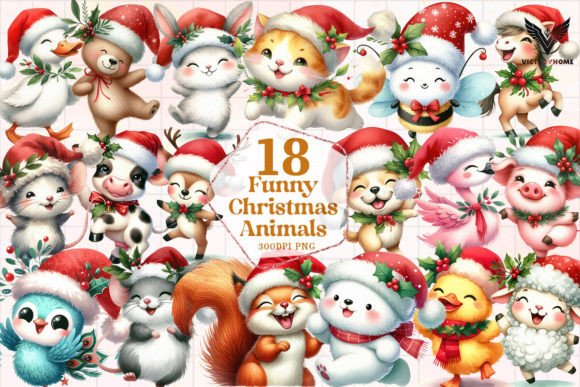
Before we talk about stitch density or thread types, we have to address the vibe. Funny Christmas Animals Clipart PNG brings a distinct sense of whimsy that feels perfect for modern, lighthearted holiday decor. Unlike traditional, rigid Victorian-style Christmas illustrations, this piece exudes a playful energy. The shapes are rounded, the expressions are exaggerated in a way that invites a smile, and the overall composition suggests movement rather than static form. For an embroidery designer, this personality is crucial because it dictates the emotional response of the end user. A design that looks cute on a computer screen must also feel cozy and inviting when stitched onto a soft cotton tee or a sturdy canvas tote.
The detail level is balanced well for the intended use. It isn't so sparse that it lacks character, nor is it so intricate that it risks becoming a muddy mess during digitization. The visual weight suggests it will hold its own on larger garment areas while still making a statement as a pocket accent. However, the "clipart" nature means the lines are likely clean and bold, which is excellent for machine embroidery but requires careful handling if you intend to add fine textures later.
Real-World Application: From Screen to Stitch
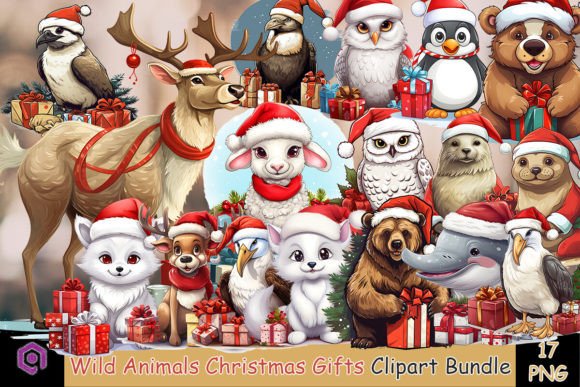
Let's imagine a real scenario. You are preparing inventory for your Etsy shop, specifically targeting the market for personalized holiday gifts. You decide to create a line of custom embroidered tote bags featuring festive characters. Funny Christmas Animals Clipart PNG fits this brief perfectly. The bold outlines translate beautifully to satin stitch, creating a crisp edge that stands out against the canvas texture. Imagine a winter scene where a penguin or a reindeer is rendered in bright reds and greens against a natural beige bag. The contrast creates immediate visual appeal, driving customer engagement before they even read the product description.
This design also shines on apparel. Sweatshirts and hoodies are staples for holiday gatherings, and a centered chest logo using this illustration adds a touch of boutique flair without being overwhelming. For baby items, such as onesies or burp cloths, the playful theme resonates strongly with parents looking for something unique. The simplicity of the lines ensures that the stitching remains durable through multiple washes, a critical factor for baby products. Even for smaller items like aprons or kitchen towels, the design anchors the space effectively, allowing for complementary text or patterns to be added without cluttering the visual field.
When considering commercial embroidery projects, such as branded merchandise for a local coffee shop or a bakery, this asset offers versatility. It can serve as a primary brand icon or a seasonal promotional element. The key here is consistency; using Funny Christmas Animals Clipart PNG across various mediums—from a printed menu to an embroidered hat—builds a cohesive brand identity that customers recognize and trust.
Navigating Technical Challenges and Limitations
While the potential is high, no design is without its pitfalls. As an experienced reviewer, I must highlight where Funny Christmas Animals Clipart PNG might struggle. One of the first considerations is the hoop size. If the original illustration contains tiny, delicate details or extremely fine lettering, these elements may not survive the transfer process on small hoop sizes. On a cap or a curved surface, tight curves can distort the image if the digitization doesn't account for the fabric tension. Therefore, testing on scrap fabric is non-negotiable before committing to a production run.
Fabric choice plays a massive role in the final outcome. Textured fabrics, such as heavy denim or bouclé, can hide the finer points of the design, making the animal features look less defined. Similarly, stretchy fabrics require specific stabilizer techniques to prevent puckering, which could warp the funny expressions of the animals. Dark fabrics present another challenge; unless the design includes a substantial underlay or light-colored threads are used strategically, the contrast might be lost, diminishing the "funny" aspect of the artwork.
Dense stitch areas are another area of caution. If the design relies heavily on fill stitches to create shading or depth, it may become too stiff for comfortable wear on a sweatshirt or a pillow cover. Excessive density can also lead to thread breakage or poor registration, especially if the machine settings aren't optimized. For decorative accents or patches, this might be acceptable, but for wearable items, a lighter touch often yields a more professional finished product.
Practical Designer Notes for Success
To get the most out of this illustration, I recommend a strict workflow. First, always test the design on scrap fabric that matches your final material in both color and texture. This step reveals issues with thread tension, stabilizer selection, and stitch density that you won't see on a screen. Check the thread colors carefully; ensure there is enough contrast between the background fabric and the embroidery threads to maintain the integrity of the animal shapes.
If you are planning to sell finished items, confirm the licensing terms explicitly. Some digital assets allow for personal use only, while others permit commercial application. Understanding whether you can sell the finished product or if you need to purchase a separate license is vital for protecting your small business. Additionally, inspect small details closely. In some cases, converting a complex vector into an embroidery file requires simplifying certain corners or smoothing out jagged edges to ensure the machine can navigate them smoothly.
Comparing the design in black and white mockups can also provide valuable insight into the balance of the composition. If the design looks unbalanced in grayscale, it may suffer from poor value distribution in color as well. Finally, consider the lifecycle of the product. Will it be washed frequently? If so, ensure the stitch density is sufficient to withstand abrasion without fraying. By taking these precautions, you transform a simple digital file into a high-quality, marketable asset.
In conclusion, Funny Christmas Animals Clipart PNG is a versatile tool for the creative entrepreneur. It offers a blend of charm and clarity that works exceptionally well for holiday-themed projects, provided the technical aspects are managed with care. Whether you are crafting a personalized gift for a loved one or building a robust line of boutique products, this design has the potential to elevate your work. Just remember that the magic happens in the execution; a great design paired with skilled craftsmanship results in a finished product that customers will love and cherish.