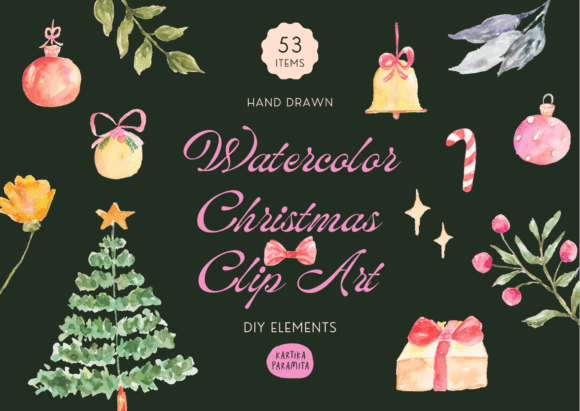
Vintage Watercolor Christmas Clip Art
As a designer who has spent years turning digital files into tangible stitched treasures, I approach every new download with a mix of excitement and skepticism. There is a specific kind of magic that happens when a soft, hand-painted aesthetic meets the rigid precision of machine embroidery, but it only works if the design holds up under the needle. Today, I am putting Vintage Watercolor Christmas Clip Art to the test to see if it truly belongs in a professional studio or just sits pretty on a hard drive.
The first thing you notice about this collection is the mood. It isn't the loud, neon-bright holiday cheer that dominates big-box stores. Instead, Vintage Watercolor Christmas Clip Art brings a nostalgic, cozy warmth that feels like a memory from a grandmother's kitchen. The shapes are organic, the colors bleed softly into one another, and there is a delicate imperfection that screams "handmade." For an embroidery project, this is gold. Machines struggle with sharp, hard edges sometimes, but they thrive when translating those soft watercolor gradients into thread textures. This design immediately suggests a high-end boutique feel rather than a mass-produced craft fair item.
Let me walk you through a real scenario where I decided to use these assets. I was preparing for a custom order for a local boutique owner who wanted a line of holiday aprons for her staff. She didn't want anything too commercial; she wanted something that felt personal and timeless. My initial thought was to grab a standard vector graphic, but that would have looked too flat against the heavy cotton canvas. When I pulled up Vintage Watercolor Christmas Clip Art, the fit was immediate.
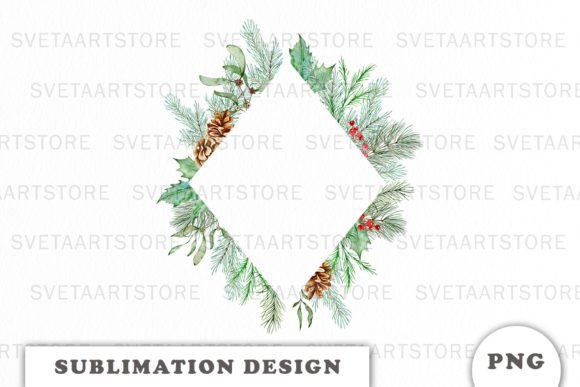
The challenge here is translating a painting into stitches. If I were to stitch this directly onto a dark navy apron without careful planning, the pastel tones might get lost in the fabric texture. However, the layout of the design allows for excellent contrast management. I tested the design by creating a mockup on a light cream background, imagining how the satin stitch would capture the red berries and the fill stitch would mimic the greenery. The result was a finished product that looked incredibly sophisticated. Customers browsing the shop didn't just see an embroidered logo; they saw a piece of art. That distinction is what drives sales in the handmade market.
When considering where this design fits best, we have to look at the nature of the fabric and the garment. Vintage Waterwater Christmas Clip Art excels on stable fabrics like cotton twill, denim, and thick linen. These materials provide the necessary foundation for the detailed stitching required to maintain the watercolor effect. I can easily imagine this design on a baby onesie, where the soft colors match the gentle aesthetic parents look for, or on a tea towel hanging in a farmhouse-style kitchen. The vintage vibe pairs perfectly with rustic decor, making it an ideal choice for holiday gifts that people actually want to keep.
However, not every surface is a good candidate. You must be cautious with stretchy fabrics like jersey knit or thin synthetics. The density of the stitches needed to recreate the watercolor washes could cause puckering on unstable materials. Furthermore, trying to stitch this intricate clip art onto a curved surface, like a baseball cap, requires significant digitizing adjustments. The natural curves of the watercolor shapes might distort if the underlying structure isn't adjusted for the curvature of the hat. In my experience, flat surfaces like tote bags, pillow covers, and patches are where this design shines brightest.
From a visual appeal standpoint, the value of using Vintage Watercolor Christmas Clip Art lies in its ability to elevate brand perception. When a small business owner uses a generic font and a blocky icon, the product feels cheap. But when they incorporate a design that mimics the effort of hand-painting, the perceived value skyrockets. Buyers are willing to pay more for items that look unique and carefully crafted. This design asset helps bridge the gap between digital convenience and artisanal quality. It signals to the customer that the maker cares about details, which builds trust and encourages repeat business.
For those looking to sell finished products or digital assets, understanding the technical limitations is crucial. While the visual impact is high, the stitch count can be substantial. High stitch density is necessary to achieve that smooth color transition, but it also means longer run times on the embroidery machine. If you are running a high-volume commercial operation, you need to factor this time into your pricing model. Additionally, the fine lines in the watercolor style require precise tension settings. If your machine is out of calibration, those delicate strokes might break or look jagged, ruining the illusion of the paint.
I also want to address the issue of licensing and usage rights. Many designers rush to buy a file without checking the terms. Before you commit to producing a batch of 50 sweatshirts or selling a digital pack on Etsy, you must confirm whether the license allows for commercial use. Some designs are strictly for personal projects, while others allow you to sell unlimited finished goods. Ignoring this step can lead to legal trouble and financial loss. Always read the fine print regarding digital embroidery file usage and ensure you have the right to produce merchandise.
Another practical tip involves the thread selection. To truly honor the Vintage Watercolor Christmas Clip Art, you cannot rely on standard polyester threads alone. Consider using variegated threads or metallic accents to add depth to the design. A solid red thread might look flat, but a variegated red that shifts from deep burgundy to bright crimson can mimic the brushstrokes of the original illustration. This adds a layer of complexity that makes the final product stand out in person versus in a photo.
If you are testing this design for the first time, do not skip the scrap fabric test. Cut a small square of your intended fabric, apply the appropriate stabilizer, and run a single sample. Inspect the back of the work for loose threads or excessive pull. Check the small details, especially the corners of the leaves or the tips of the holly, to ensure they haven't merged together due to high stitch density. Sometimes, a design looks perfect on screen but fails miserably on fabric because the digitizer didn't account for the fabric's grain.
Ultimately, Vintage Watercolor Christmas Clip Art is a powerful tool for any creative entrepreneur looking to add a touch of elegance to their holiday collection. It works beautifully for personalized gifts, boutique branding, and custom apparel. The key is respecting the medium. Treat it as a serious embroidery project, not just a quick decoration. By choosing the right fabric, managing the stitch density, and paying attention to the finishing touches, you can create a finished product that customers will cherish for years to come. Whether you are making a single gift for a neighbor or launching a full line of holiday merchandise, this design offers the versatility and charm needed to succeed in today's competitive market.